Power interruptions once represented an occasional inconvenience. Today, they represent operational risk. From hospitals and telecom networks to data centers and manufacturing plants, organizations increasingly depend on backup power systems to maintain continuity.
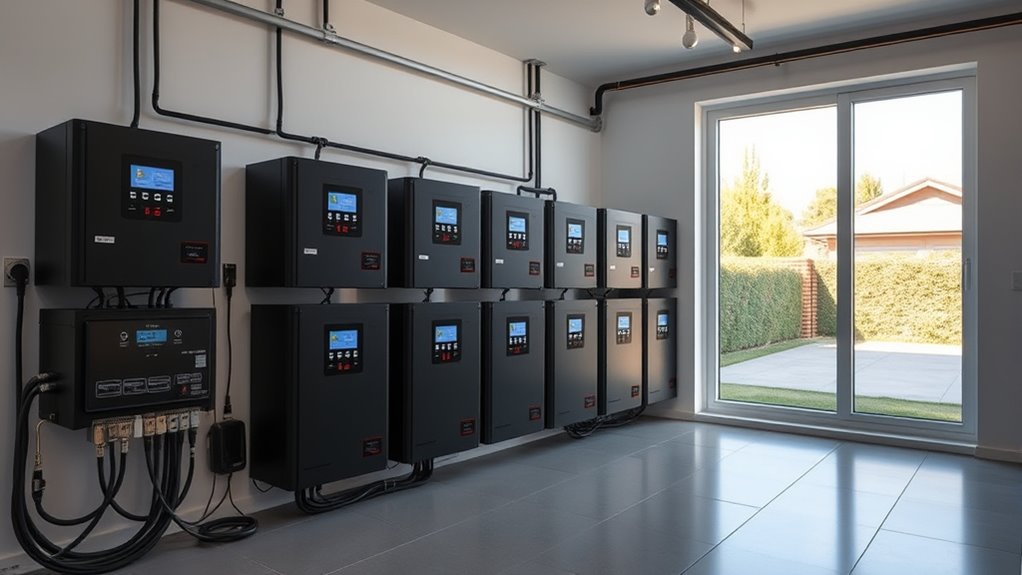
As electricity demand rises and grid reliability faces pressure, businesses are prioritizing resilient energy infrastructure. Backup generators combined with advanced battery systems are emerging as critical solutions for ensuring uninterrupted operations. According to a 2026 industry update, growing demand for reliable backup power is expanding the genset battery ecosystem and accelerating adoption of smart battery energy storage systems. These technologies improve energy efficiency and optimize fuel use in generator-based backup systems.
Reliable backup power systems have evolved from contingency tools to essential operational infrastructure.
What Is Driving the Demand for Reliable Backup Power?
- Expansion of Critical Infrastructure: Data centers, telecom towers, and hospitals operate with strict uptime requirements. Even a short outage can disrupt services, cause financial losses, or threaten safety. As digital infrastructure expands, facilities increasingly deploy generator systems supported by battery energy storage to ensure rapid power availability during outages.
Infrastructure modernization is a primary driver of advanced generator and battery solutions.
- Increasing Grid Reliability Challenges: Many regions face aging power infrastructure, higher electricity consumption, and climate-related disruptions. These pressures make grid stability more difficult to maintain. Organizations therefore install standby power systems capable of providing immediate electricity during outages.
Battery-assisted generator systems are particularly valuable because they:
- Enable fast generator startup
- Stabilize power supply during transitions
- Improve overall system efficiency
Smart battery energy storage systems are helping optimize these functions by managing energy flows and improving fuel efficiency in generator operations.
Businesses are increasingly adopting backup power to protect against unpredictable electricity disruptions.
How Smart Battery Systems Are Transforming Backup Power
Modern backup systems are no longer limited to diesel generators alone. The integration of smart battery energy storage systems (BESS) is reshaping how organizations deploy emergency power solutions.
These systems enhance traditional generators by:
- Improving fuel efficiency
- Reducing operational costs
- Enabling intelligent power management
Smart battery technologies also allow backup systems to store and release energy strategically, improving performance during peak demand or outages.
Key benefits of battery-assisted generator systems
| Benefit | Impact |
| Faster startup | Immediate response during outa ges |
| Lower fuel consumption | Reduced operating costs |
| Better energy management | Optimized generator perfor mance |
| Enhanced reliability | Continuous power during disru ptions |
The combination of generators and smart batteries is defining the next generation of backup power solutions.
Key Applications of Backup Power Systems
Backup power systems are widely used across sectors where continuous electricity is essential.
Major use cases
- Data centers – Protect digital infrastructure and prevent service interruption
- Healthcare facilities – Maintain life-saving equipment and emergency services
- Telecommunications networks – Ensure uninterrupted connectivity
- Industrial facilities – Prevent production losses during outages
- Commercial buildings – Maintain operational continuity
Because these sectors depend on uninterrupted electricity, they increasingly deploy battery markets to strengthen operational resilience.
It has become a strategic requirement across multiple industries.
Backup Power System Architecture
Grid Power → Battery Energy Storage → Generator → Critical Loads
Insight
Hybrid systems combining batteries and generators are emerging as the most reliable backup power architecture.
Challenges in Backup Power Adoption
Despite growing demand, organizations must address several challenges when implementing backup systems. Smart battery solutions help mitigate some of these issues by improving system efficiency and optimizing energy usage. Technology advancements are helping reduce operational barriers.
Next Move Strategy Consulting’s View on the Backup Power Systems Market
From a strategy perspective, companies evaluating Backup Power Systems Market investments should focus on resilience, efficiency, and long-term scalability.
Strategic considerations
- Adopt hybrid backup systems: Integrate generators with battery energy storage for improved efficiency.
- Prioritize mission-critical operations: Deploy backup solutions where downtime risk is highest.
- Use smart energy management: Battery systems enable automated optimization and fuel savings.
- Plan for future energy demand: Digital infrastructure growth will increase power reliability requirements.
- Evaluate regulatory trends: Environmental policies may influence generator technologies and fuel choices.
Strategic insight
Organizations that modernize their backup power architecture today will be better prepared for increasing energy reliability challenges.
Next Steps
Organizations planning energy resilience strategies should consider the following actions:
- Assess power risk exposure across facilities and operations
- Evaluate generator-battery hybrid systems for reliability and efficiency
- Implement smart energy management solutions for optimized backup performance
- Develop long-term power resilience strategies aligned with infrastructure growth
Final takeaway
Backup power systems are no longer optional safeguards. They are rapidly becoming core infrastructure supporting modern digital and industrial economies.
About the Author
Sugata Kar is a content writer specializing in transformation-focused, insight-driven narratives. She creates research-backed content aligned with evolving business priorities, digital trends, and audience needs. Her work helps organizations communicate clear value propositions, strengthen visibility, and convey strategic intent effectively. With a data-informed storytelling approach, she prioritizes clarity, relevance, consistency, and measurable digital impact across platforms.